One Habit, Many Cancers The Deadliest Addiction We Still Ignore
HealthSwapna Mallik30 May 2026
Dr. Madhu Devarasetty, Senior Consultant - Surgical Oncologist & Robotic Surgeon, KIMS Hospitals, Secunderabad
“One cigarette during stress. A packet of gutka after meals. Occasional smoking with friends.”
What often begins as a casual habit, influenced by stress or social settings, can quietly evolve into something far more dangerous. Years later, it can lead to major surgery, chemotherapy, radiation, long-term disability, and sometimes even loss of life.
This is how tobacco works quietly, slowly, and relentlessly.
A Public Health Threat Growing in Silence
Tobacco is among the leading preventable causes of death worldwide, responsible for more than 7 million deaths every year. In India alone, it accounts for nearly 1.35 million deaths annually.
Its impact is not limited to a single organ or disease. Tobacco damages blood vessels, increases the risk of heart disease and stroke, weakens lung function, and significantly raises the risk of multiple cancers. Alarmingly, one in four cancer deaths is linked to tobacco exposure and other lifestyle risk factors.
Tobacco-related cancers can affect almost every part of the body lips, tongue, cheeks, throat, vocal cords, lungs, esophagus, stomach, pancreas, bladder, and more. As cancer surgeons, we encounter these cases regularly. What makes this especially tragic is that most of these cancers are preventable.
The Dangerous Myth: “No Form of Tobacco Is Safe”
In India, smokeless tobacco products such as gutka, khaini, pan masala with tobacco, and chewing tobacco remain widely used. A harmful misconception persists that these are less dangerous than smoking. The reality is very different—these products are strongly associated with oral cancers, which are among the most commonly diagnosed cancers in the country.
Equally concerning is the rising popularity of vaping and newer nicotine products among adolescents and young adults. Often marketed as modern or safer alternatives, they are contributing to a new wave of addiction and long-term health risks.
A Changing and Alarming Trend
Tobacco-related cancers are no longer confined to older populations. Increasingly, younger individuals in their thirties and forties are being diagnosed with diseases that are entirely preventable.
Behind every diagnosis is a family struggling with emotional distress, financial burden, and uncertainty about the future. The impact of tobacco extends far beyond the patient—it affects entire households and communities.
Warning Signs That Should Never Be Ignored
Early symptoms are often subtle but critical. These include:
- Non-healing mouth ulcers
- Persistent hoarseness of voice
- Difficulty swallowing
- Unexplained weight loss
- Changes in bowel habits
- Blood in urine
- Generalised weakness
Such signs must never be ignored and require immediate consultation with a specialist.
It Is Never Too Late to Quit
Many people regret not quitting earlier. But the truth is simple—it is never too late to stop tobacco use.
The body begins to recover within weeks of quitting. Breathing improves, circulation strengthens, and the risk of cancer and heart disease gradually declines over time. More importantly, quitting protects not just the individual, but also their loved ones from the broader impact of tobacco exposure.
The Way Forward Requires Collective Action
Tobacco-related cancer is not just a medical issue—it is a societal challenge. Addressing it requires collective responsibility:
- Parents must openly talk to children about tobacco risks
- Schools and colleges must strengthen awareness and prevention
- Workplaces and public spaces must support tobacco-free environments
- Healthcare providers must continue early detection and counselling
While medical science has made remarkable progress in cancer treatment through surgery, robotics, targeted therapy, and radiation, no advancement can fully undo the damage caused by preventable tobacco use.
A Call for Prevention, Not Regret
On World No Tobacco Day, the message is clear: prevention remains the strongest form of protection.
If you use tobacco, seek help and take the first step toward quitting today.
If you do not, encourage someone who is trying to quit.
Because the most powerful way to fight tobacco-related cancer is simple—prevent it before it begins.

Health
Optum India and United Way Bengaluru power last-mile healthcare with 45 e-Bikes for PHCs

Health
Disha Eye Hospitals Hosts Kolkata Knight Riders Cricketers for Interactive Patient and Staff Engagement in New Town
Health
Complement Therapeutics Receives FDA IND Clearance to Advance CTx001 into Opti-GAIN, a Phase I/II Clinical Trial in Geographic Atrophy secondary to AMD
Health
Growing Implants Bring New Hope to Children with Bone Cancer

Health
CARE Hospitals Performs Rare Airway Reconstruction Surgery to Save Young Thyroid Cancer Patient
Health
AAVantgarde Announces FDA Orphan Drug Designation and UK CTA approval for AAVB-039 for the Treatment of Stargardt Disease
Health
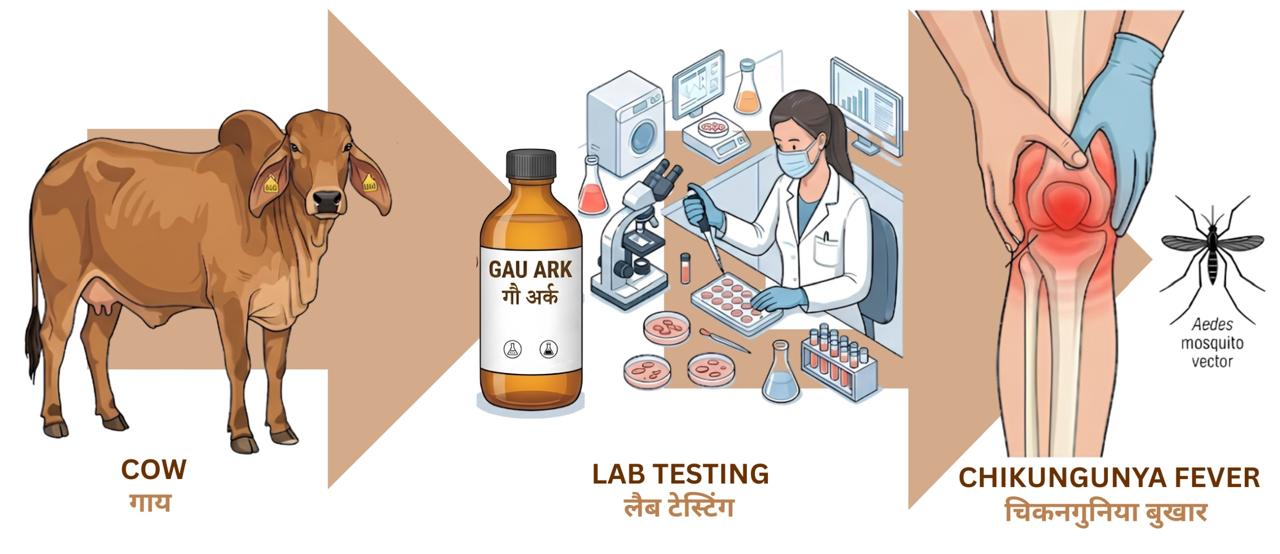
IIT Roorkee Scientists Discover Ayurvedic Cow Urine Distillate Compounds Against Chikungunya Virus
Health
SimonMed Introduces SimonMed Longevity, Expanding Focus on AI-Enabled Preventive and Longevity Care
Health
Apex Group of Hospitals Celebrates International Nurses Day Across All Its Hospitals

Health
Fullerton Health Deepens Specialty Care Capabilities Through Acquisition of Singapore-Based Otolaryngology Practice, The ENT Clinic
Health
Protego Biopharma Appoints Jae B. Kim, MD, as Chief Medical Officer

Health