Karnataka Looks to Coastal Tourism to Drive Jobs, Investment and Regional Growth
NewsBhumika Lenka18 Sept 2026
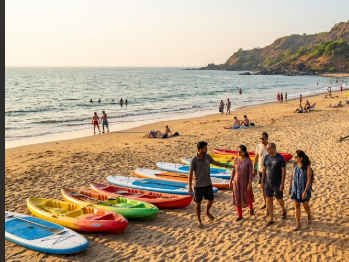
Sep 18: Karnataka has placed fresh emphasis on the development of its coastal region, with the state Cabinet holding its first-ever meeting in Mangaluru and discussing ways to unlock the area's tourism and economic potential.
The move is aimed at bringing the government closer to the people of the coastal belt and creating a development roadmap that can strengthen tourism, infrastructure, employment and investment opportunities across the region.
Deputy Chief Minister G. Parameshwara said the coastal region has significant tourism potential and that the government wants to develop it along the lines of established coastal tourism destinations such as Kerala and Goa.
The coastal belt, covering Dakshina Kannada, Udupi and Uttara Kannada, has a combination of beaches, cultural heritage, religious sites, traditional cuisine and natural attractions that can support a wider tourism ecosystem. The government's tourism roadmap has also identified opportunities to develop new tourism products and infrastructure along Karnataka's coastline.
Government Takes Development Agenda to the Coast
Health, Family Welfare, Minority Affairs and Waqf Minister U.T. Khader said holding the Cabinet meeting in Mangaluru reflects the government's effort to address issues raised by the coastal region directly.
He said projects that are legally viable would be considered for implementation and indicated that the government also plans to frame measures aimed at recognising the potential of young people in the region, alongside infrastructure and financial support.
The approach is significant for a region where tourism development can have a wider impact on local businesses. Growth in visitor activity can create opportunities for hotels, homestays, restaurants, transport operators, handicrafts, local food businesses and other small enterprises.
Tourism Seen as an Economic Opportunity
Karnataka has already outlined plans to strengthen its coastal tourism infrastructure and attract private investment. The state's tourism roadmap includes measures related to tourism projects, incentives, public-private partnerships and new experiences such as water-based activities, marinas and other tourism facilities.
The objective is not only to attract visitors but also to build a tourism ecosystem that creates employment and generates income for local communities.
Karnataka Tourism's policy objectives also identify coastal tourism as an important area for sustainable infrastructure, improved visitor experiences, conservation of coastal ecosystems and greater participation by local communities.
Focus on Youth and Local Opportunities
The development push could also create new avenues for young people in the coastal districts. Tourism-related sectors such as hospitality, travel services, adventure tourism, food services and local cultural experiences can generate employment while encouraging entrepreneurship.
Khader said the government would also focus on policies that recognise the potential of youth in the coastal region, with infrastructure and financial support to follow at later stages.
The government is also considering long-standing regional demands, including infrastructure development, industrialisation, employment generation, coastal protection and promotion of the region's cultural identity.
Balancing Tourism With Coastal Sustainability
As tourism activity expands, sustainable development will remain important for the coastal belt. Karnataka's tourism policy places emphasis on responsible tourism, climate resilience, environmental protection and ensuring that local communities benefit from tourism-led development.
The focus, therefore, is not simply on increasing tourist numbers but on developing infrastructure and services that can support long-term economic activity while protecting the region's natural and cultural assets.
The first Cabinet meeting in Mangaluru marks a significant administrative focus on coastal Karnataka. By combining tourism development with infrastructure, employment, investment and community participation, the state is seeking to build a broader economic base for the region and position its coastline as a stronger destination for domestic and international visitors.


News
Global Sports Pickleball Announces Season 2 Pro & Challenger League Auction in Mumbai
News
Celonis Climbs Forbes 2025 Cloud 100 List as Demand Grows for Process Intelligence in the AI Era
News
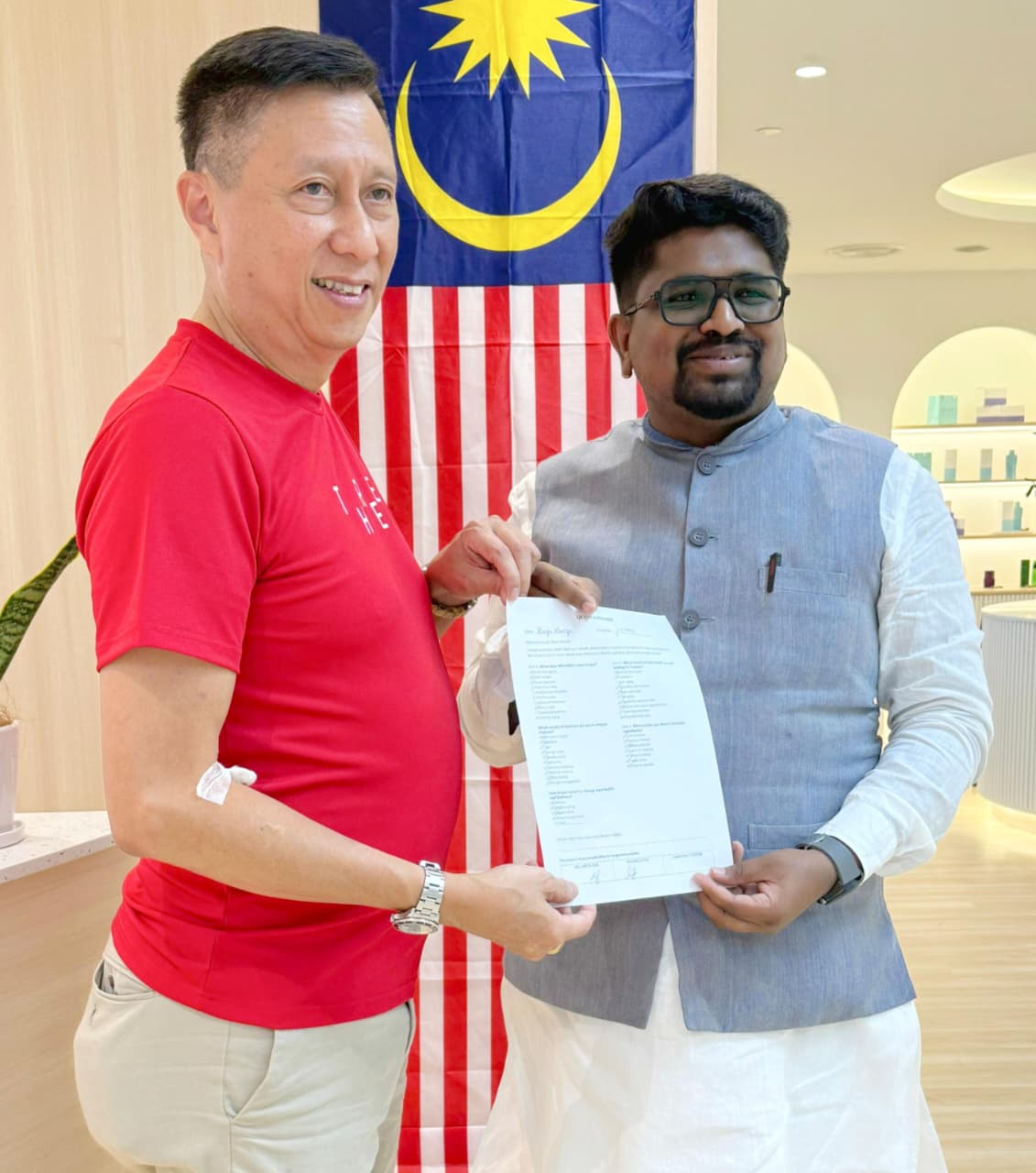
Dr. Bhargav Mallappa’s Malaysia Visit Marked by Meeting with Prince Dato’ Seri Dr. Christian Kingsley Goh Kwee Keng JP
News