From Awareness to Action: World Brain Day 2026 Pushes for Equal Neurological Care
HealthBhumika Lenka22 Jul 2026
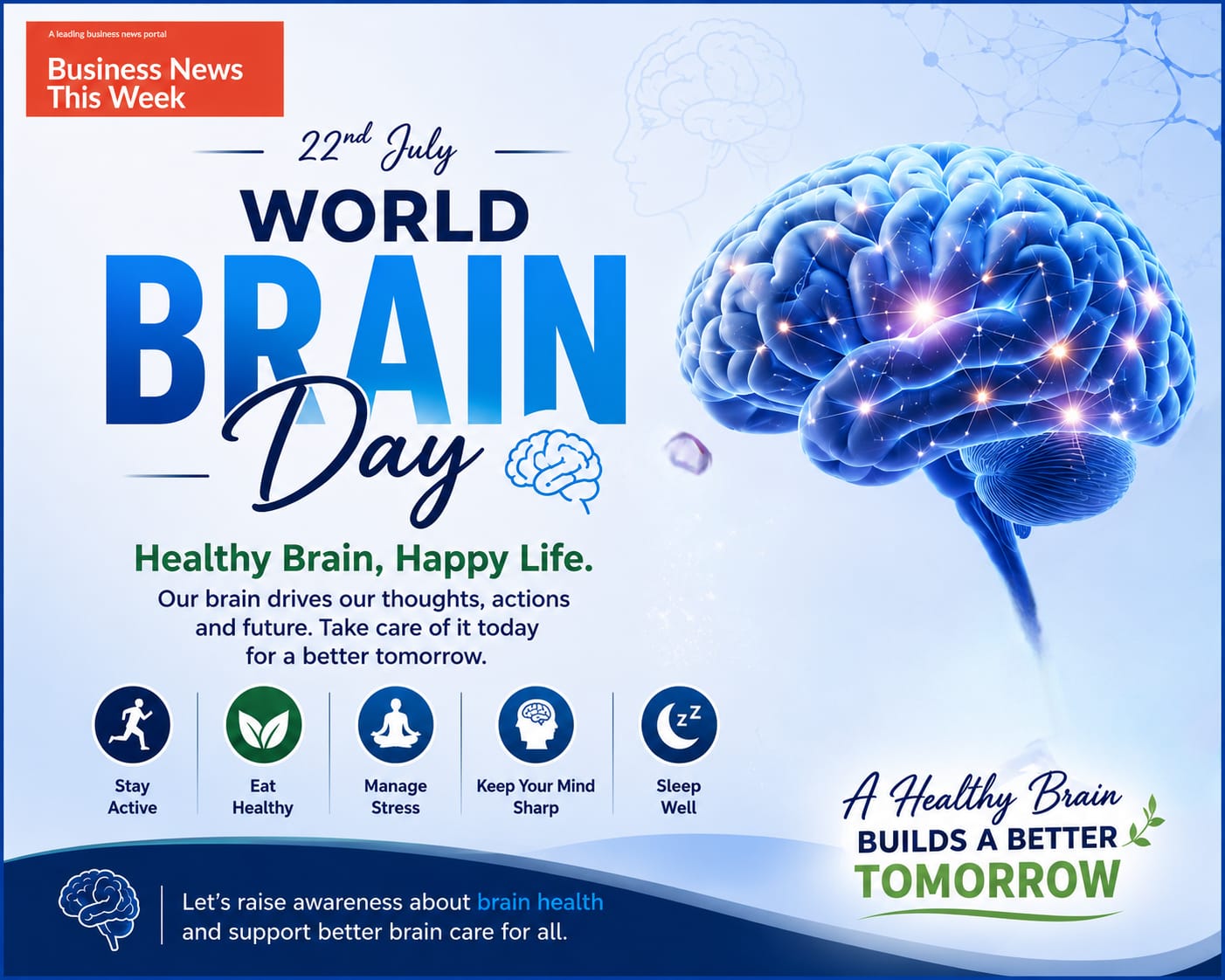
The human brain shapes every aspect of life — from movement and memory to emotions, learning, and decision-making. Yet, millions of people worldwide continue to face challenges in accessing timely diagnosis, treatment, and support for neurological conditions.
On World Brain Day 2026, the global health community is focusing on the theme “Brain Health: Access for All”, highlighting the importance of ensuring equitable, high-quality neurological care for everyone, regardless of location, background, or economic status.
Established by the World Federation of Neurology (WFN), World Brain Day is observed every year on July 22 to raise awareness about brain health, promote early detection of neurological disorders, reduce stigma, and encourage stronger healthcare systems. The campaign comes at a time when more than 3.4 billion people globally are living with brain-related disorders, making neurological health a critical public health priority.
Why Brain Health Needs Greater Attention
The brain is the body’s command centre, controlling essential functions such as breathing, movement, memory, emotions, and communication. A healthy brain is vital for maintaining independence, productivity, and quality of life.
However, neurological conditions often remain undiagnosed or untreated due to limited awareness, lack of specialised healthcare services, and barriers to accessing medical support. The theme “Brain Health: Access for All” emphasises the need to bridge these gaps and ensure that quality neurological care reaches every community.
Early Diagnosis Can Change Lives
Many brain disorders can be managed more effectively when identified at an early stage. Recognising warning signs and seeking timely medical advice can improve treatment outcomes and quality of life.
People should pay attention to symptoms such as:
- Sudden weakness or numbness, especially on one side of the body
- Difficulty speaking, confusion, or changes in understanding
- Memory loss or frequent episodes of forgetfulness
- Seizures or unusual changes in awareness
- Tremors, balance problems, or movement difficulties
- Persistent headaches, vision changes, or unexplained behavioural changes
Conditions such as stroke, epilepsy, Alzheimer’s disease, Parkinson’s disease, multiple sclerosis, and brain tumours require proper medical evaluation and long-term care.
Building Better Brain Health Through Everyday Choices
While some neurological conditions require specialised treatment, healthy daily habits can support overall brain wellness.
Eat a Brain-Friendly Diet
A nutritious diet rich in vegetables, fruits, whole grains, nuts, seeds, and healthy fats provides essential nutrients that support brain function.
Stay Physically Active
Regular exercise improves blood circulation, supports mental well-being, and helps maintain cognitive health.
Prioritise Sleep and Recovery
Quality sleep allows the brain to process information, restore energy, and maintain emotional balance.
Keep the Mind Engaged
Reading, learning new skills, creative activities, and social interactions help keep the brain active and adaptable.
Manage Stress and Protect Mental Health
Long-term stress can affect memory, concentration, and emotional health. Relaxation practices, mindfulness, and strong social connections can support overall brain wellness.
The Role of Healthcare Systems in Making Brain Care Accessible
The message of World Brain Day 2026 goes beyond awareness — it calls for action to make neurological care more inclusive and accessible.
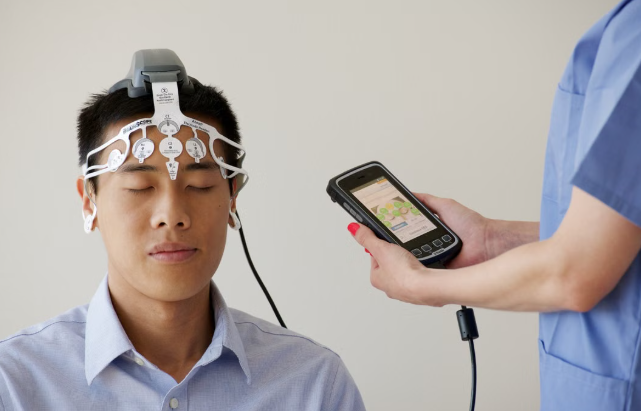
Healthcare providers play a key role through early screening, specialist consultations, rehabilitation services, patient education, and community outreach programmes. Expanding neurological services, improving awareness, and strengthening healthcare infrastructure can help more people receive timely support.
Technology is also creating new opportunities through digital healthcare solutions, remote consultations, and improved diagnostic tools, helping extend neurological care to underserved communities.
A Shared Responsibility for a Healthier Brain Future
“Brain Health: Access for All” reminds the world that brain health is not only an individual concern but a collective responsibility. Governments, healthcare professionals, communities, and individuals all have a role in creating systems where neurological care is available to everyone.
World Brain Day 2026 serves as a powerful reminder that awareness, prevention, and equal access to healthcare can transform lives.
A healthier brain begins with awareness — and a healthier world begins when everyone has access to the care they need.