Rajkummar Rao on Fatherhood, Fame and the Hunger to Keep Reinventing Himself, in Filmfare’s Latest Cover Story
EntertainmentRekha Nair02 Sept 2026

Sept, 02: There is a new sense of perspective to Rajkummar Rao’s life. Personally, becoming a father has shifted his priorities; professionally, he finds himself in one of the most demanding phases of his career. From physically transforming himself to play Ujjwal Nikam in Prahaar to stepping into the flamboyant world of Sourav Ganguly and then moving into an entirely different space with Raftaar, Rao is navigating characters that demand radically different versions of him. Yet, amid all the change, there is an unmistakable sense of grounding.
Talking about this new phase of his life and the many changes happening around him, Rao reflects on finding balance amid a demanding professional run: “Honestly, I feel very grounded. A lot has changed personally. Becoming a father has completely shifted my sense of what is important. At the same time, professionally, I’m probably going through one of the most demanding phases of my career. I’ve just gone through a huge physical transformation playing Ujjwal Nikam in Prahaar and then immediately had to get into the world of Sourav Ganguly which is a completely different physicality and personality. And then shooting for Raftaar, our home production for a very challenging character, something very new for me. So there’s a lot happening, but I’m also consciously trying to slow down a bit and want to give each film all the time it deserves.”
That desire to slow down does not come from a lack of ambition. If anything, Rajkummar appears to be entering a phase where he can be more deliberate about the kind of ambition he wants to pursue. His career has never been defined by a single image of a leading man. Instead, it has been built through a succession of characters that have allowed him to constantly reinvent himself.
Opening up about his journey from being an actor focused purely on the craft to becoming one of the most recognisable names in Hindi cinema, Rao gets candid about his relationship with the word ‘star’: “I have never believed in this word ‘hero’. We all are actors first and being a star is the tag that you get. But saying that I’m glad that I get so much love from my audience and if that means I’m their star then I am. I just wanted to be an actor and entertain and engage the audience. Newton, Trapped, Srikanth, Badhaai Do, Ludo, Stree, Stree 2, they’re all very different films with very different characters. For me, the most satisfying thing is that I didn’t have to change who I was as an actor to become commercially successful. So yes, if you ask me whether I feel like I’ve become a star on my own terms, I would say I feel very fortunate that I’ve been able to build my career that way.”
That philosophy also informs the kind of roles he gravitates towards today. The more he has explored different characters, the less interested he seems in repeating himself.
Spilling the beans on what keeps him creatively invested after years of navigating varied characters, Rao admits that predictability is perhaps the one thing that can make him lose interest: “Absolutely. That’s where the fun lies. If I already know exactly how I’m going to approach something, I get bored. I want to constantly surprise and challenge myself. That’s why going from someone like Ujjwal Nikam, who is very controlled and internal, to Sourav Ganguly, who has this incredible physicality and flamboyance, is so exciting. And then to Raftaar, which I said earlier, is something so new for me. I want to keep putting myself in situations where I have to learn something new.”
The transition to Sourav Ganguly, in particular, presents a very different challenge. With an instantly recognisable personality and mannerisms, the danger lies in merely reproducing what audiences already know.
Talking about the responsibility of bringing a real-life icon to screen without turning the performance into an imitation, Rao explains how he approached the challenge of playing Ganguly: “Probably getting the balance right. You don’t want to become a caricature of the person. Dada has such a distinctive personality that it would be very easy to imitate the obvious things. But I’m trying to understand what lies underneath those mannerisms. Having him involved and having spent so much time with him and to ask him questions is an incredible privilege.”
Speaking candidly about the celebrity that comes with being one of Bollywood’s most respected actors, Rao admits that he is not immune to enjoying the attention either: “Of course. I’m human. It feels good when people recognise you or when someone comes up and tells you that a film meant something to them. That is a beautiful part of being an actor. But I know fame comes and goes, your work stays forever.”
That clarity has also evolved with experience. The uncertainty that once accompanied every career decision has gradually given way to the freedom that comes with having established yourself.
Reflecting on how success has changed his approach to choosing films, Rao looks back at a time when saying yes was often driven by the fear of not knowing when the next opportunity would arrive: “Definitely. Success gives you a certain amount of freedom. Earlier, there was always this feeling that you have to keep working because you don’t know when the next opportunity will come. Today, I can be more selective. Of course, I’m not going to say no to something extraordinary just because I’ve made that decision. If a great script comes with a great filmmaker and really excites me, I’ll do it. But I don’t want to do films simply because I feel I have to.”
Yet, being selective has not translated into taking the easier route. If anything, Rao appears determined to use the security he has earned to take bigger creative risks.
Talking about the one thing he refuses to let success take away from him , his creative hunger Rao reveals why he actively seeks out roles that make him uncomfortable: “Today, I’m more secure, but I don’t want that security to make me feel comfortable creatively. That’s why I deliberately look for things that scare me. I want to keep that hunger alive, even if the circumstances around me have changed.”
It is a philosophy that runs through his filmography. The roles may vary wildly in tone, physicality and temperament, but the underlying instinct remains the same: to arrive at something unfamiliar and figure it out from scratch.
Opening up about what lies beyond the intense preparation, transformations and characters audiences associate him with, Rao offers a glimpse into the much simpler person away from the spotlight: “People associate me with intense preparation and intense characters but I’m actually a very normal guy. I like to laugh, eat, spend time with my family, friends, travel and do very ordinary things. People sometimes see the actor and forget that there’s a very normal person behind all of it who is just doing the job he loves a lot.”
Perhaps that is the balance Rao is now trying to find: between the extraordinary demands of his profession and the ordinary pleasures of his personal life. Between being a star and remaining an actor. Between having achieved security and continuing to seek discomfort.
Becoming a father may have shifted his sense of what matters, while success has given him the freedom to be more selective. But neither has diminished the fundamental curiosity that brought him here. If anything, they have given him more room to protect it.
For Rajkummar Rao, the next chapter is not about proving that he can be a star. It is about continuing to discover how many different actors he can be — without ever losing sight of the person underneath.





Entertainment
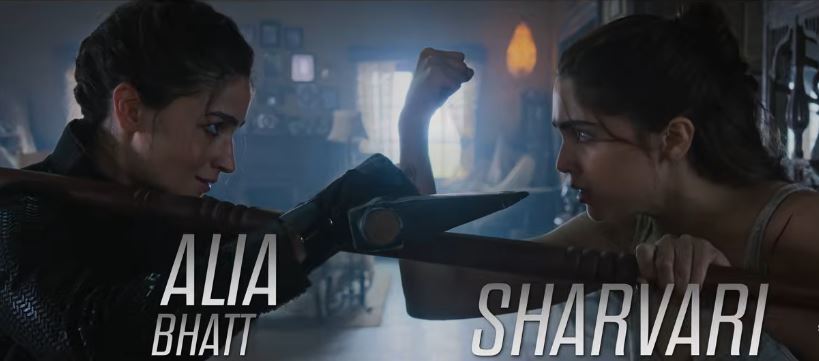
'Alpha' Opens to Mixed Audience Response; Action, Performances and Hrithik Roshan's Cameo Win Praise
Entertainment
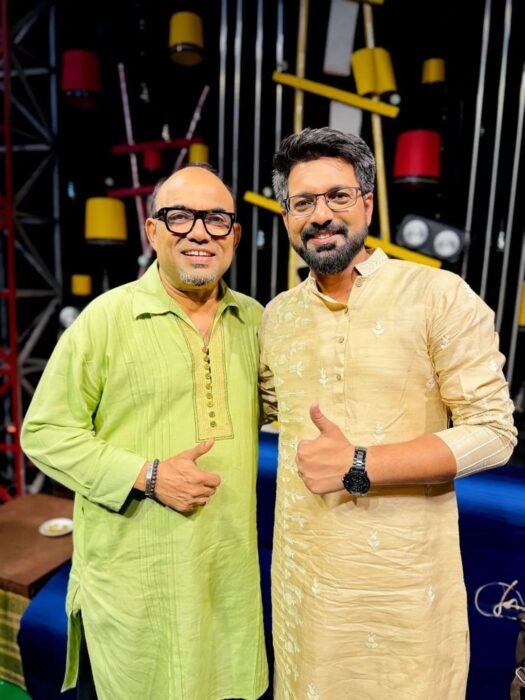
Aakash Aath To Present A Poila Boishakh Special Musical Celebration In The Show ‘Aakashe Superstar’
Entertainment
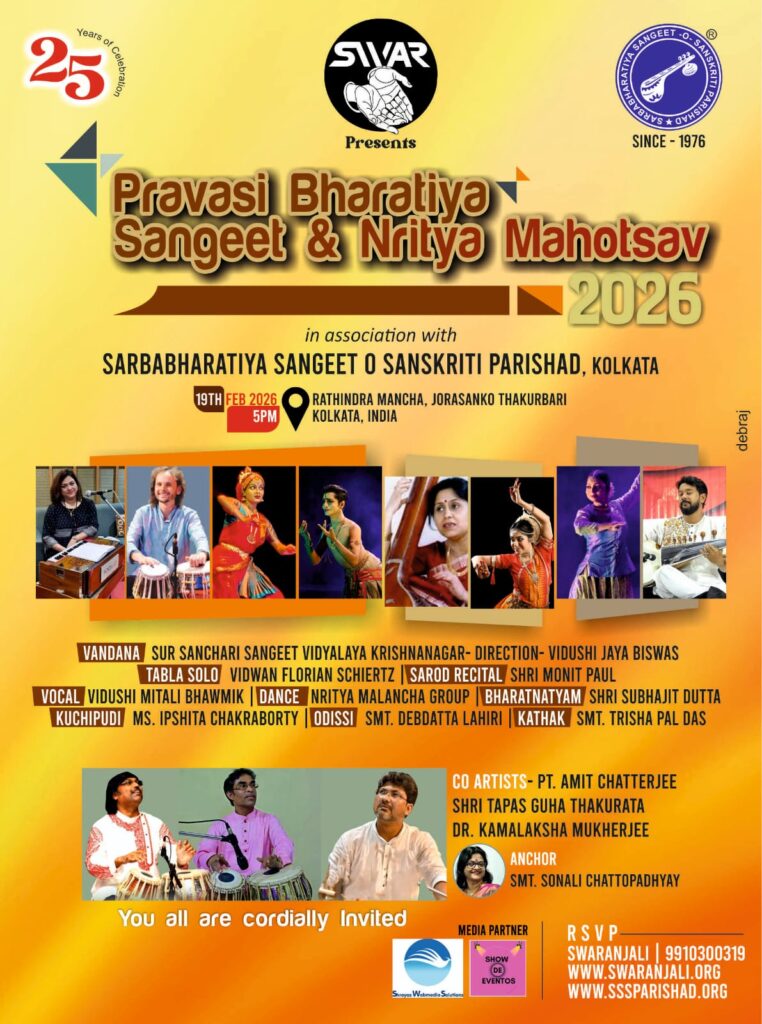
Pravasi Bharatiya Sangeet & Nritya Mahotsav 2026 to Celebrate Global Indian Classical Heritage in Kolkata
Entertainment