From Forgotten Space to Functional Living: The New Age of Basement Transformation in Modern Homes
BusinessBhumika Lenka19 Jun 2026
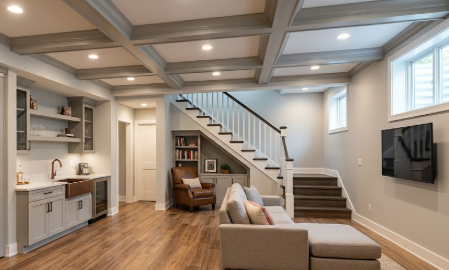
In many homes, the basement has long been treated as an afterthought—an unfinished, dimly lit space used for storage or left completely unused. But that perception is changing rapidly. In today’s lifestyle-driven housing culture, where comfort, flexibility, and smart space utilization matter more than ever, basements are being reimagined as powerful extensions of everyday living.
What was once hidden below the surface is now becoming one of the most valuable parts of a home—capable of supporting work, wellness, entertainment, and even income generation.
Understanding the Two Paths: Finishing and Remodeling
Basement transformation generally follows two distinct approaches, depending on the condition of the space and the homeowner’s goals.
Basement Finishing: Creating Something New
Basement finishing refers to converting an unfinished underground area into a fully livable space.
This process typically involves:
- Building internal walls and structural framing
- Installing flooring and ceilings
- Setting up electrical wiring and lighting systems
- Adding insulation and moisture protection
- Integrating plumbing where needed
In simple terms, finishing turns an empty, raw structure into a complete, usable environment that feels like a natural extension of the home.
Basement Remodeling: Upgrading What Already Exists
Basement remodeling focuses on improving a space that is already finished but needs modernization or better functionality.
It may include:
- Changing room layouts and improving flow
- Updating interiors, flooring, and fixtures
- Enhancing lighting and ventilation
- Adding new functional zones such as offices or studios
- Improving comfort, aesthetics, and usability
Remodeling is about refining space to match evolving lifestyle needs.
Modern Techniques That Are Changing Basement Design
Today’s basement projects are no longer just construction work—they are carefully planned upgrades that combine comfort, safety, and modern living standards.
1. Moisture Protection and Long-Term Durability
One of the most important aspects of basement transformation is controlling moisture. Modern homes now use layered protection systems that include waterproof coatings, drainage solutions, and sealed wall structures. These methods help maintain a dry, safe, and long-lasting environment.
2. Insulation for Year-Round Comfort
Basements often face temperature fluctuations. New insulation techniques help maintain a balanced indoor climate, making the space usable in every season. This also reduces energy usage and improves overall comfort.
3. Lighting That Transforms Atmosphere
Since natural light is limited, lighting becomes a defining feature. Carefully designed lighting setups using layered fixtures, warm tones, and smart controls can completely change the mood of a basement, making it feel open, bright, and inviting.
4. Smart Home Features
Modern basements are increasingly integrated into connected home systems. Climate control, lighting, security, and entertainment can all be managed digitally, offering convenience and efficiency in daily use.
5. Flexible Space Design
One of the strongest trends in basement development is flexibility. Spaces are now designed to adapt over time—allowing a single room to function as an office during the day, a family lounge in the evening, or a guest room when needed.
Movable partitions, foldable furniture, and modular layouts make this possible.
How Basements Are Being Used Today
The purpose of basements has expanded far beyond storage. They are now becoming essential lifestyle spaces.
Work and Productivity Spaces
With remote and hybrid work becoming common, many homeowners are turning basements into quiet, dedicated work environments that support focus and professionalism.
Creative and Digital Studios
Basements are also being used as personal studios for content creation, design work, online teaching, and freelancing activities. The privacy and isolation they offer make them ideal for creative work.
Wellness and Fitness Areas
Many families are converting basements into fitness zones, yoga rooms, or relaxation spaces, making health and wellness more accessible within the home.
Entertainment and Family Spaces
Home theatres, gaming rooms, and family lounges are becoming popular basement uses, turning the space into a center for leisure and bonding.
Income-Generating Units
In some homes, basements are transformed into rental spaces or independent living units, creating additional income opportunities while increasing property usefulness.
Why Basement Transformation Matters Today
The growing interest in basement development reflects a broader shift in how people view their homes. It is no longer just about size—it is about how effectively space can support daily life.
A well-designed basement can:
- Increase usable living area without external expansion
- Improve comfort and lifestyle flexibility
- Add long-term value to the property
- Support modern work and living patterns
- Offer financial benefits through rental use
Conclusion
Basement transformation represents a quiet but powerful change in modern home design. It turns overlooked space into meaningful living areas that support how people live, work, and relax today.
With thoughtful planning and modern design approaches, basements are no longer forgotten corners—they are becoming some of the most important and versatile spaces in the home.